8 Oct 2026
Regulatory Nuances Shaping Loyalty Reward Tiers on Platforms Licensed in Sweden
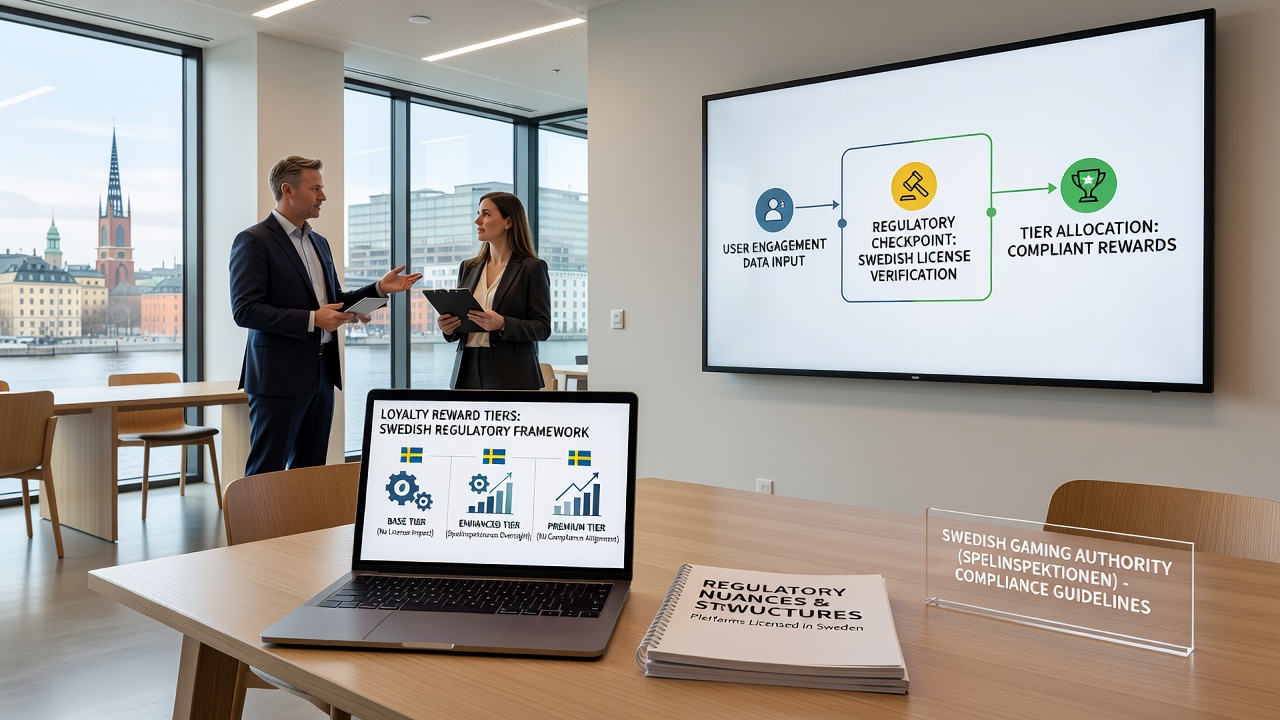
Swedish gambling platforms operate under the oversight of Spelinspektionen, which enforces licensing conditions that directly influence how operators structure loyalty reward tiers for players, and these rules require clear separation between deposit-based incentives and ongoing loyalty mechanisms to maintain compliance. Data from regulatory filings shows that licensed operators must cap promotional elements within tiers while ensuring that point accumulation systems align with responsible gambling standards set by national legislation passed in 2019 and refined through subsequent updates.
Core Licensing Requirements for Reward Structures
Operators holding Swedish licenses face specific obligations regarding customer retention programs, which means loyalty tiers cannot function as extensions of welcome bonuses but must instead emphasize player activity tracking and redemption limits tied to verified accounts. According to Spelinspektionen guidelines, every tier level requires transparent disclosure of progression criteria, including minimum wagering volumes and time-bound activity thresholds that prevent indefinite accumulation without cashing out rewards.
Platforms must integrate age verification and self-exclusion tools directly into tier management systems, ensuring that players who opt out of marketing communications still retain access to basic loyalty benefits without pressure to increase activity. Research from Nordic gaming oversight bodies indicates that such integrations have reduced unauthorized tier promotions by measurable margins across licensed sites since the framework stabilized.
Point Systems and Redemption Limits Under Regulation
Loyalty programs on these platforms calculate points through a combination of deposit volume and game participation metrics, yet regulations prohibit multipliers that exceed defined ratios to avoid creating inducements that bypass deposit channel restrictions. Operators often link tier advancement to a mix of real-money play and retention periods, while redemption options remain restricted to non-cash equivalents like bonus credits or merchandise that follow strict valuation rules.
What's interesting here is how these constraints shape tier progression, because each advancement demands documented proof that rewards do not encourage excessive play, and audits conducted by Spelinspektionen verify that point ledgers reflect genuine activity rather than artificial inflation. One study released by a European gaming research consortium found that compliant tier designs correlate with steadier player retention rates across the market.
Impact of Responsible Gambling Rules on Tier Design
Swedish law mandates that loyalty tiers incorporate cooling-off features and spending caps that scale with player history, which forces operators to embed real-time monitoring into their reward algorithms. This setup prevents high-tier members from accessing accelerated benefits during periods of flagged risk behavior, and compliance reports show consistent application across multiple platforms operating under the same license conditions.
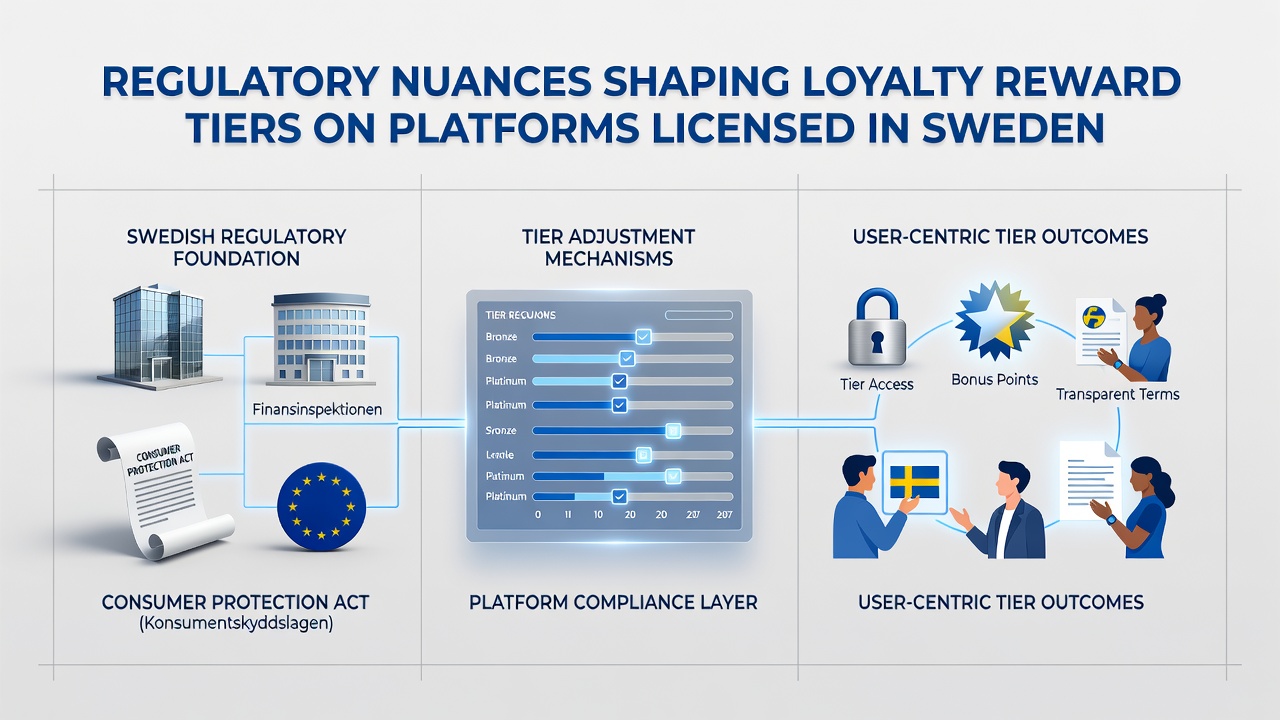
Figures released in October 2026 highlighted a shift toward dynamic tier adjustments that respond to individual play patterns rather than fixed calendars, allowing platforms to maintain regulatory alignment while still offering differentiated benefits at each level. External audits confirm that these adjustments rely on data shared with the regulator to demonstrate fairness in point distribution and reward access.
Comparison with Broader Nordic and International Standards
Swedish rules share similarities with frameworks in other licensed markets, yet they stand out for their emphasis on separating loyalty mechanics from deposit pathways, which creates distinct operational requirements for multi-jurisdictional operators. Industry reports from gaming associations note that platforms licensed in Sweden often adapt their tier systems to meet local caps even when similar programs run without restriction elsewhere in Europe.
Observers tracking these developments point to the role of centralized reporting systems that feed into Spelinspektionen databases, enabling cross-checks against player self-exclusion lists and ensuring that tier benefits do not inadvertently reach restricted accounts. This infrastructure supports ongoing refinements to reward structures without requiring complete overhauls of existing loyalty platforms.
Conclusion
Regulatory nuances in Sweden continue to define the boundaries within which loyalty reward tiers operate on licensed platforms, with Spelinspektionen maintaining active supervision over point systems, redemption processes, and integration with responsible gambling tools. Platforms adapt their structures to meet these conditions while delivering tiered benefits that reflect verified player engagement, and data from compliance activities shows sustained alignment across the licensed sector. These elements together create a controlled environment where loyalty programs evolve within clear legal parameters.