10 Sep 2026
How Transaction Pathways Unlock Layered Reward Structures Across Licensed Nordic Gaming Platforms
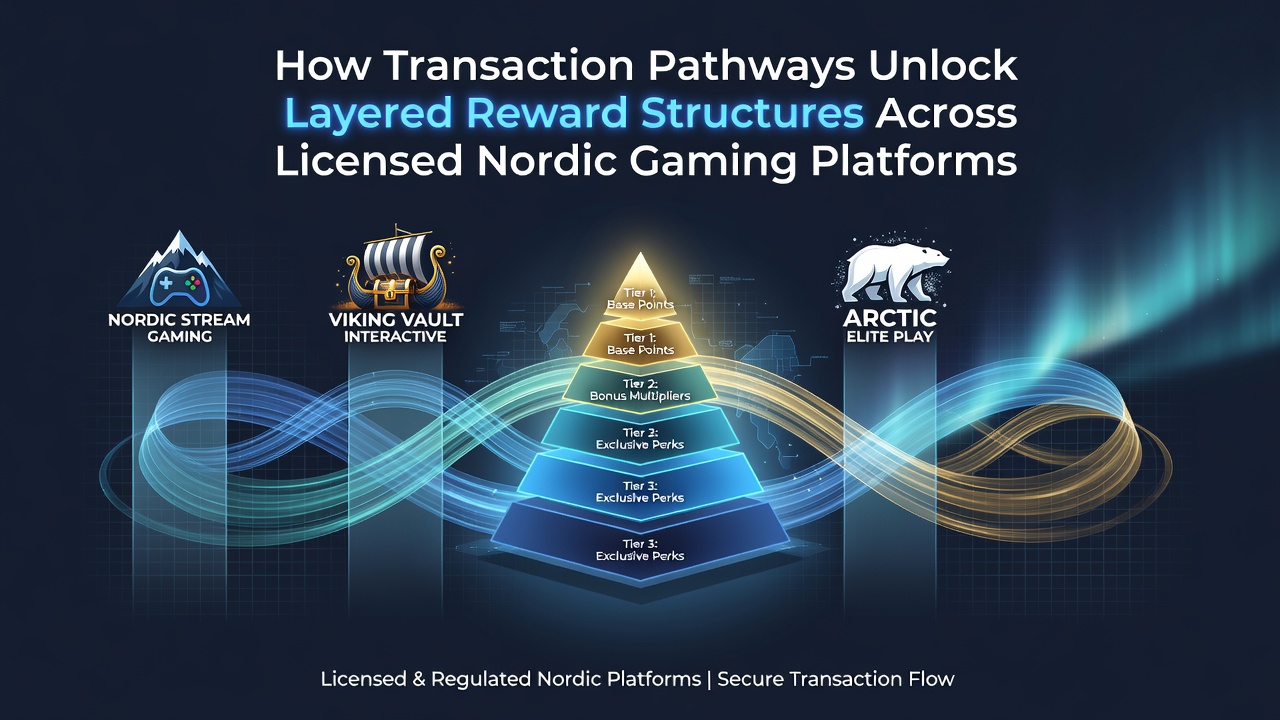
Licensed Nordic gaming platforms operate under strict national frameworks where transaction pathways determine eligibility for multi-tiered reward systems, and data from Spelinspektionen reveals that payment method selection directly affects bonus unlocking sequences across Swedish operators. Researchers tracking platform behavior note that instant bank transfers via local systems often trigger immediate access to deposit-matched incentives while slower card routes delay progression to loyalty tiers until verification completes.
Core Mechanics of Transaction Pathways
Payment routes on these platforms function as sequential gates, and each channel carries distinct processing rules that platforms enforce to comply with licensing conditions. BankID-integrated transfers in Sweden complete within seconds and register deposit amounts instantly, which activates the first reward layer such as a matched credit or free spins allocation. E-wallet options require additional confirmation steps, yet once cleared they unlock parallel structures including cashback percentages that accumulate separately from standard bonuses. Observers note that platforms maintain separate tracking ledgers for each pathway, so users who alternate between methods accumulate points across independent reward tracks rather than a single unified pool.
Layered Rewards Tied to Payment Channels
Layer one typically consists of welcome incentives that activate upon the initial verified deposit, and data shows platforms assign higher percentage matches to direct bank routes because these reduce chargeback risks. Subsequent layers include loyalty multipliers that scale with cumulative transaction volume through the same pathway, while VIP access emerges only after repeated use of verified channels meets threshold criteria set by each operator. Studies from Nordic market analysts indicate that users routing funds through prepaid vouchers encounter restricted access to higher tiers, since those methods often exclude participation in progressive jackpot contributions or exclusive event entries.
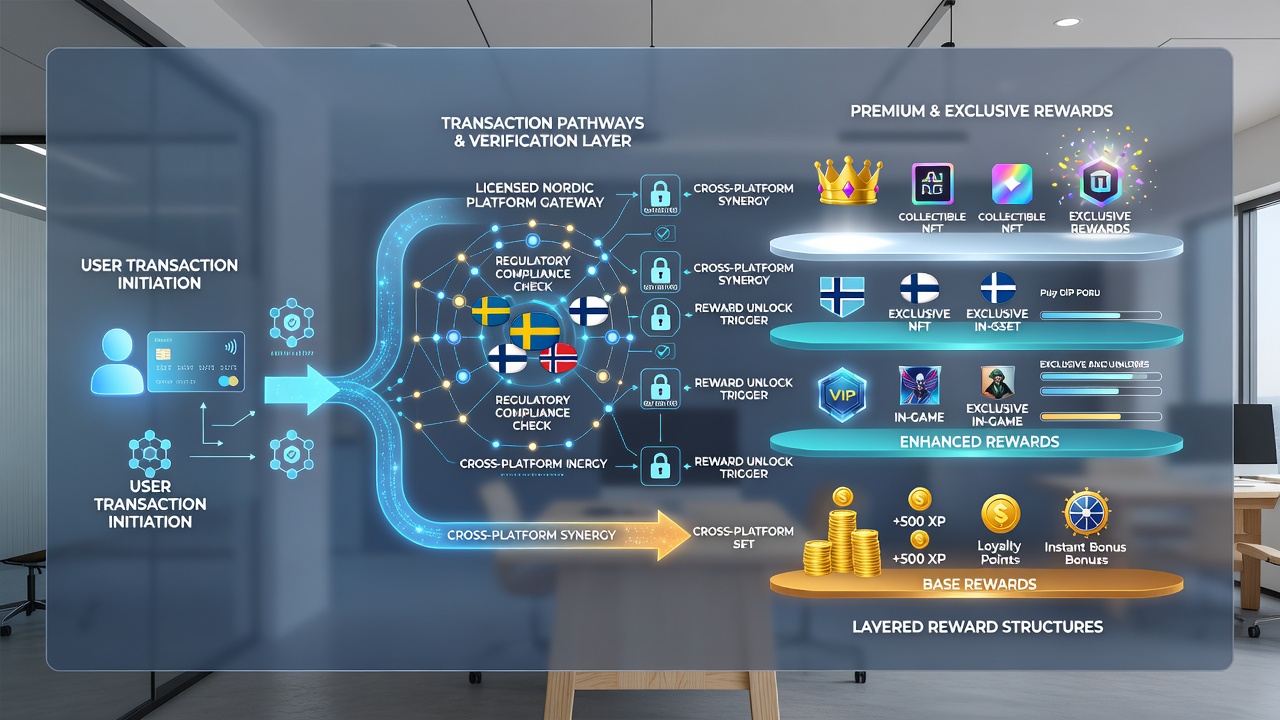
Cross-border operators licensed in Denmark apply similar segmentation, yet they adjust thresholds according to local currency handling rules, and this creates variation in how quickly users advance from basic cashback to personalized account management services. Finnish platforms, operating under Veikkaus oversight, integrate transaction data with national player registries, which allows reward layers to reflect verified identity checks completed during the deposit process.
Regional Regulatory Influences on Pathway Design
Swedish licensing conditions require operators to log every transaction pathway separately for audit purposes, and this documentation feeds directly into reward eligibility calculations. Platforms must demonstrate that reward structures do not favor one licensed payment provider over another, yet the technical integration speed of each method still produces practical differences in unlock timing. Reports compiled by the European Gaming and Betting Association highlight that operators across the region introduced enhanced tracking systems in 2025 to prepare for updated transparency rules scheduled for September 2026, when new reporting standards will require disclosure of how specific pathways influence reward distribution rates.
Those who've examined compliance filings observe that Danish and Norwegian platforms follow parallel documentation practices, although their reward multipliers adjust according to national taxation frameworks applied to operator revenue. This regulatory layering means users who switch pathways mid-session may reset progress toward certain VIP thresholds until the new method completes its own verification cycle.
Practical Examples from Platform Operations
One case reviewed by market researchers involved a Swedish operator that mapped bank transfer deposits to an accelerated loyalty point accrual rate, while the same platform assigned standard rates to card-based deposits until users completed a secondary identity confirmation step. Another example from a Danish licensed site showed that e-wallet users gained access to exclusive tournament entries after reaching a defined monthly volume, whereas direct bank users reached the same tier at a lower volume threshold due to faster settlement times. These differences arise because platforms optimize reward delivery around the operational characteristics of each payment rail rather than arbitrary preference.
Conclusion
Transaction pathways across licensed Nordic platforms function as structured entry points that platforms align with regulatory requirements and operational efficiencies, and this alignment produces distinct reward layers that users navigate through consistent use of specific methods. Data collected through 2025 and into 2026 continues to show measurable differences in progression speed depending on the chosen route, while upcoming September 2026 reporting changes will add further transparency to how these structures operate. Operators maintain these systems to balance compliance obligations with player engagement mechanics, resulting in reward frameworks that reflect the technical realities of each payment channel.