8 Oct 2026
Decoding the Lifecycle of Promotional Incentives in the Swedish Market from Entry-Level Spins to Elite Status via Diverse Funding Routes
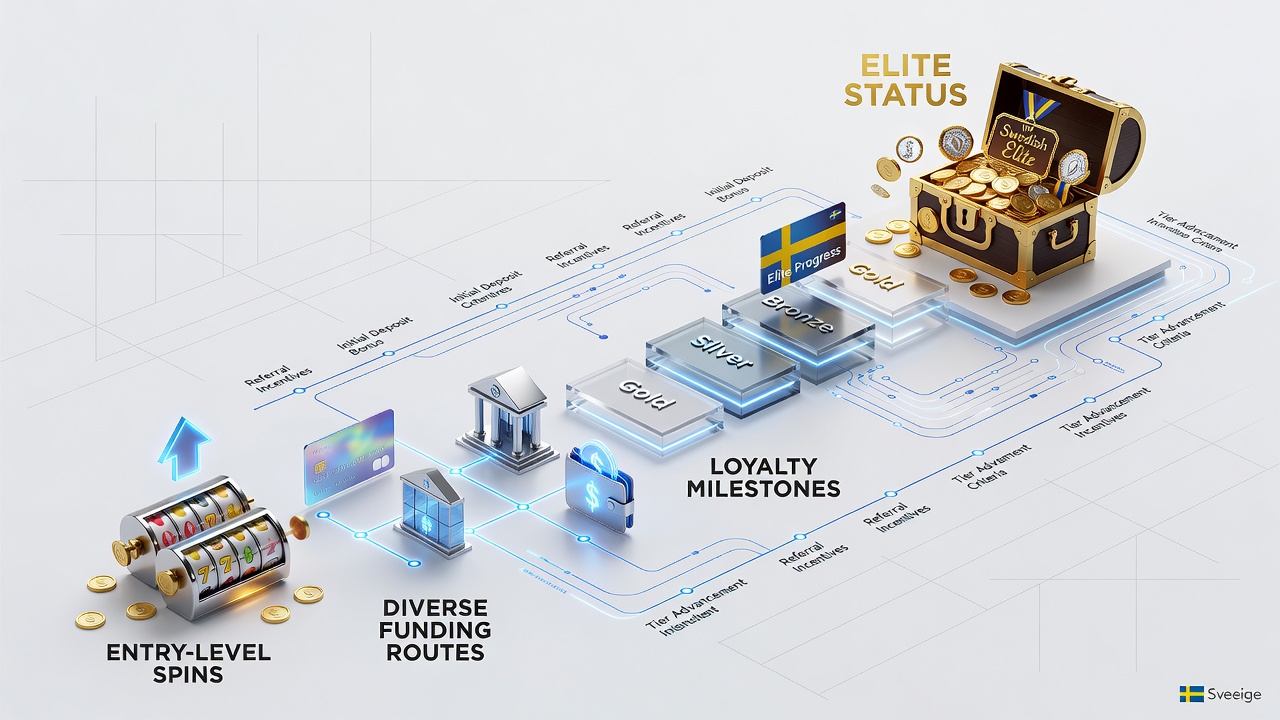
Promotional incentives in Sweden follow a structured path that begins with entry-level offers and advances through sustained activity toward elite recognition, and observers note that funding methods play a central role in determining how quickly participants move along this sequence. Licensed operators structure these incentives around compliance requirements set by Spelinspektionen, which oversees deposit verification, bonus transparency, and player tracking across all channels.
Starting Points: Entry-Level Spins and Initial Deposits
Players typically encounter their first incentives through welcome packages that combine free spins with modest deposit matches, and these offers activate once an account is verified and a qualifying payment clears. Diverse funding routes such as direct bank transfers, debit cards, and approved e-wallets each carry different processing times that influence when the spins become available; faster methods allow immediate access while slower ones delay the start of the promotional cycle. Research from industry monitoring groups shows that operators adjust spin values and wagering conditions based on the chosen payment type to maintain regulatory alignment.
October 2026 brought updated reporting standards that require clearer disclosure of how initial deposits convert into playable spins, and this change has prompted platforms to display exact timelines for each funding route on their interfaces. Those who study these patterns find that smaller initial deposits often unlock lower-tier spin bundles, creating a natural progression marker that later deposits can build upon.
Layered Accumulation Through Varied Transaction Channels
Once the entry phase ends, continued deposits via multiple channels feed into loyalty point systems that track volume and frequency, and these points determine eligibility for upgraded incentives. Operators differentiate between instant funding options and those that require additional verification steps, which in turn affects how rapidly points accumulate toward the next tier. Data indicates that participants who rotate between several approved methods maintain steadier progress because each channel contributes independently to the overall activity log.
What's interesting is how certain payment processors integrate directly with loyalty dashboards, allowing real-time visibility into status advancement without manual claims. This integration reduces friction and supports the documented lifecycle where early spins evolve into multi-level reward structures over successive deposit cycles.
Advancing to Mid-Tier and Elite Recognition
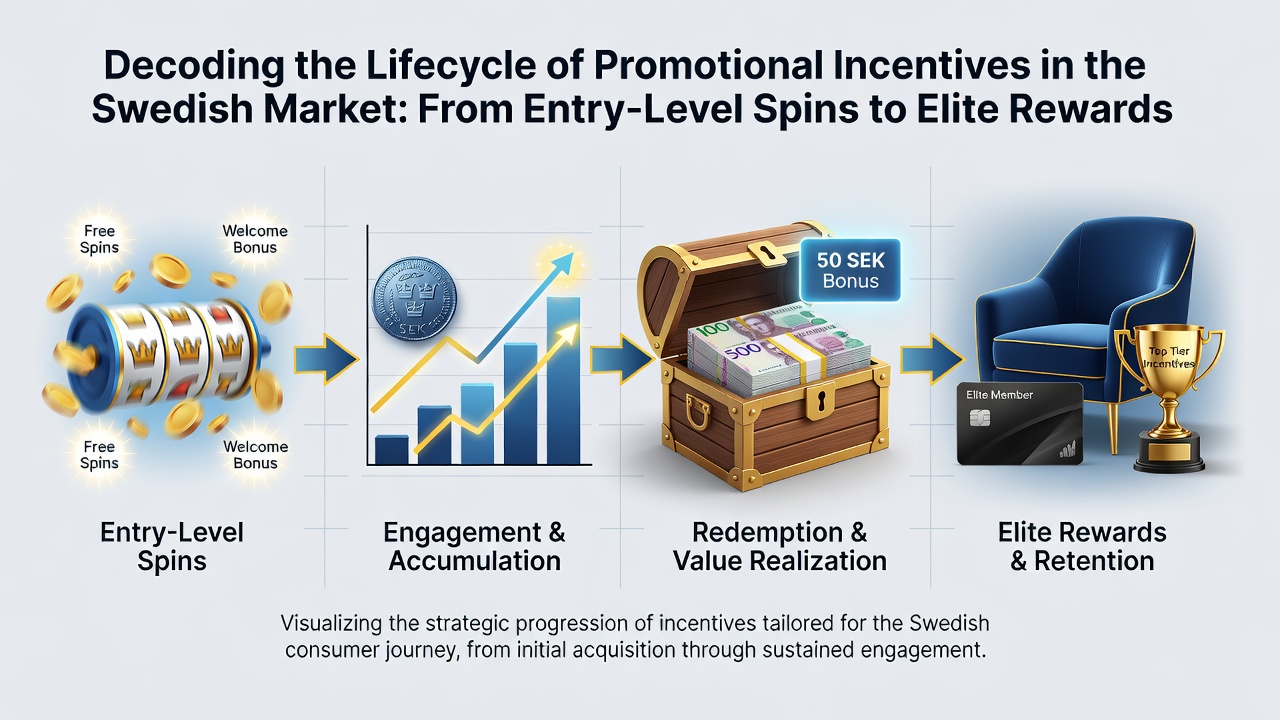
Mid-tier status unlocks after consistent deposit activity reaches defined thresholds, and at this stage operators introduce personalized incentives that include higher spin quantities, reduced wagering multipliers, and access to exclusive events. Funding diversity remains relevant because some routes award bonus points on top of standard accumulation, accelerating movement toward elite levels. Those who've examined operator logs report that players utilizing a mix of card and bank methods often reach these thresholds faster than those limited to a single channel.
Elite status, the final stage in the lifecycle, grants tailored benefits such as dedicated account management and custom spin allocations, and it requires both high deposit volumes and demonstrated engagement across multiple payment types. According to figures published by the Swedish Gambling Authority, the number of accounts achieving this level has grown steadily as platforms refine their tracking systems to recognize varied funding patterns.
Regulatory Framework and Market Data
Swedish regulations mandate that all promotional incentives remain tied to verifiable deposits and that operators maintain auditable records of how each funding route contributes to reward eligibility. A 2025 report issued by the European Gaming and Betting Association highlighted that transparent linkage between deposits and status progression improves player retention metrics across Nordic markets. These requirements shape the entire lifecycle by ensuring that advancement from entry spins to elite benefits follows measurable, documented steps rather than discretionary awards.
Conclusion
The lifecycle of promotional incentives in Sweden operates as a continuous sequence driven by deposit activity and funding variety, beginning with basic spins and culminating in elite recognition once thresholds are met. Observers continue to track how regulatory updates and payment integrations influence the speed and clarity of this progression across licensed platforms.